
Inkjet vs Dye Sublimation Photo Printers: Which One is Right for You?
It can be hard to pick the best printer for printing high-quality photos because there are so many different types of technology out there. Inkjet and dye sublimation photo printers are two of the most popular choices. Each has its own pros and cons, depending on what you need to print. Inkjet printers are popular in homes, studios, and businesses because they can print sharp, detailed pictures with bright colors on a wide range of paper types.
Dye sublimation printers, on the other hand, are great at making smooth gradients, bright colors, and prints that won’t smudge or fade. This makes them perfect for photo booths, ID cards, and personalized items. If you want to choose the best printer for your needs, whether you’re printing for professional photography, business projects, or personal use, you need to know the differences between these technologies. This guide will help you make an informed choice by looking at the main differences, benefits, and real-world uses of both types of printers.
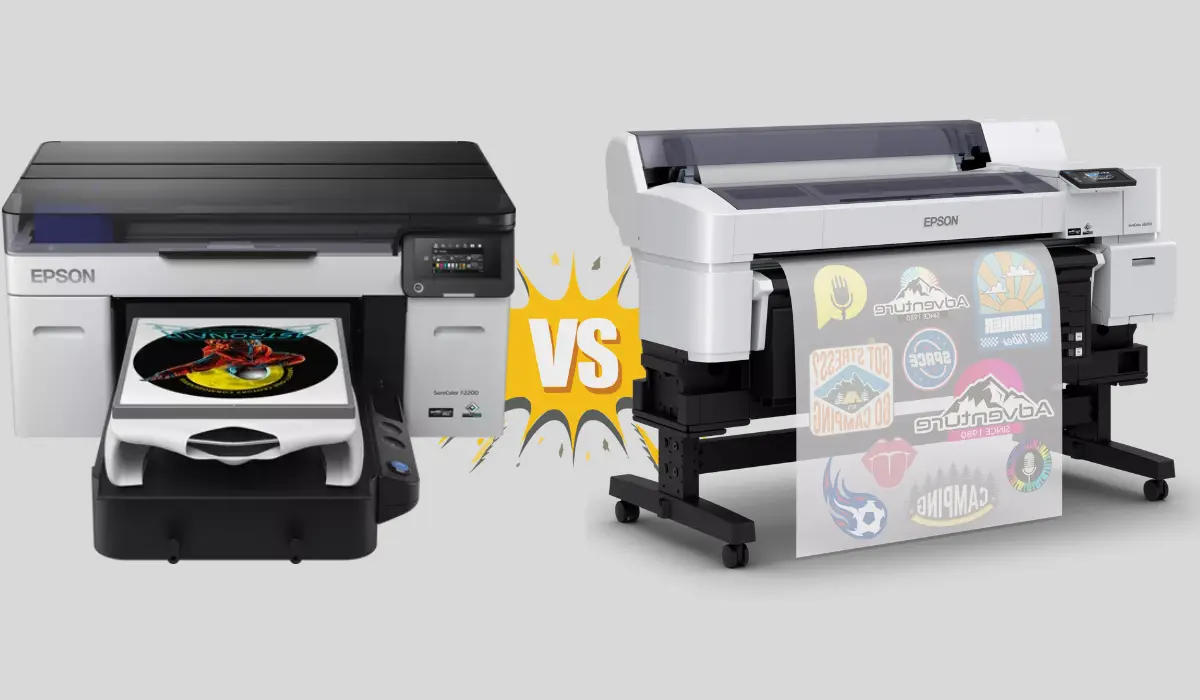
Understanding Inkjet Photo Printers
How Inkjet Printers Work
Epson large format inkjet printers are an example of an inkjet printer which works by spraying small amounts of liquid ink through the printer head to create your document on a sheet of paper. Because of the way in which these printers spray their inks, they have a greater degree of control over where the ink hits the paper and this produces more detailed images and printed works that have greatly accurate colours. Also inkjet printers can print on a variety of surface materials including but not limited to: solid glossy photo papers and textured paper stock giving you the ability to print images at home and/or professionally.
Advantages of Inkjet Printing
- High resolution and detail: Inkjet printers can produce prints with fine details and smooth color transitions.
- Versatility: They work with multiple paper types and sizes, including large-format prints.
- Cost-effective for small runs: Ideal for photographers and artists producing limited quantities of prints.
Limitations of Inkjet Printing
Inkjet printers are affordable and can be used for many purposes; however, they do need some additional care, such as performing routine cleaning of print heads. Prints also take longer to dry; therefore, you should be careful when handling prints as they could be easily smudged. In addition, if you’re going to produce high volumes of ink, you may incur a higher running cost because of increased ink usage.
Exploring Dye Sublimation Photo Printers
How Dye Sublimation Printers Work
Dye sublimation photo printers, such as those made by Epson, operate through the use of heat. This process allows printed images to be created by; applying heat from the dye onto the print media on which the dye is applied (e.g., fabric, paper, or plastic). During the printing process, the solid dye is turned into a vaporized (gas) form due to the use of heat, which eventually penetrates the print medium allowing for a vivid, complete image to be printed. In addition, images printed using dye sublimation printing techniques produce long-lasting photographs, which do not fade and maintain consistent color accuracy for an extended period of time.
Advantages of Dye Sublimation Printing
- Vibrant and durable prints: Colors are rich, and prints are smudge-proof.
- Smooth color transitions: Ideal for photographs with subtle gradients and skin tones.
- Fast printing process: Especially useful for events, photo booths, and commercial photo production.
Limitations of Dye Sublimation Printing
Dye sublimation printers tend to be limited in their ability to print on a variety of media types and are limited in the print sizes that can be printed, which may limit their overall versatile printing options for printers wishing to produce prints using other forms of print media. Further, consumables and print media costs for dye sublimation printing are typically higher than for inks and may, therefore, not be ideal for printing on a short-term basis at home.
Key Differences Between Inkjet and Dye Sublimation Printers
Print Quality and Durability
Inkjet printers excel in detail and paper versatility, making them perfect for large-format prints and gallery-quality photography. Dye sublimation printers produce smooth, vibrant images that are durable and resistant to environmental factors, making them ideal for keepsakes and merchandise.
Speed and Efficiency
Dye sublimation printers generally provide faster output, which is beneficial for event photography or high-volume commercial printing. Inkjet printers may take longer due to higher resolution and drying times, but they offer more control over media types and finishing.
Cost Considerations
Inkjet printers typically have lower upfront costs and are suitable for occasional or medium-volume printing. Dye sublimation printers may have a higher initial investment and require specialized media, but their durability and speed can justify the cost for commercial applications.
Applications and Use Cases
- Inkjet printers: Professional photography, fine art prints, large-format posters, studio printing.
- Dye sublimation printers: Event photography, photo booths, ID cards, personalized gifts, fabric printing.
Making the Right Choice
Your intended use will have a big impact on whether you choose an inkjet or dye sublimation photo printer. Inkjet printing is the best choice if you want high-resolution detail on a variety of media. Dye sublimation is the best way to get quick, bright, and long-lasting prints on certain materials. A lot of businesses and photographers find it helpful to have both technologies on hand for different jobs.
Conclusion
Understanding the differences between inkjet vs dye sublimation photo printers is crucial for anyone looking to invest in high-quality printing solutions. Inkjet printers, including models like Epson large format inkjet printers, offer unmatched detail, flexibility, and versatility, making them ideal for professional and artistic applications. On the other hand, Epson dye sublimation photo printers deliver vibrant, durable, and smudge-resistant prints perfect for commercial projects and personalized products.
By considering factors such as print quality, speed, media compatibility, and long-term costs, you can choose the printer that best suits your needs and ensures consistently excellent results for every print project. Whether you are printing photos for display, commercial purposes, or personal keepsakes, selecting the right technology will enhance the quality and longevity of your prints while optimizing efficiency and cost-effectiveness.