Installing a printer for the first time may seem complicated, but modern printing devices are designed to make the setup process simple and quick. If you recently purchased an Epson printer and want to connect it to your laptop, following the correct setup steps will ensure smooth communication between the two devices. Learning how to install Epson printer to laptop properly helps avoid driver errors, connectivity problems, and printing interruptions that can slow down your daily tasks.
Many users think printer installation is complicated, but modern Epson printers are designed to make the process easy even for beginners. With the right steps, you can connect your printer using a USB cable or a wireless network in just a few minutes. Understanding the proper setup process ensures your printer works smoothly and helps you avoid common issues like connection errors or missing drivers.
Why is Proper Printer Installation Important?
Installing a printer correctly ensures that your laptop and printer communicate effectively. When the installation is done properly, the printer can perform at its best and deliver consistent results.
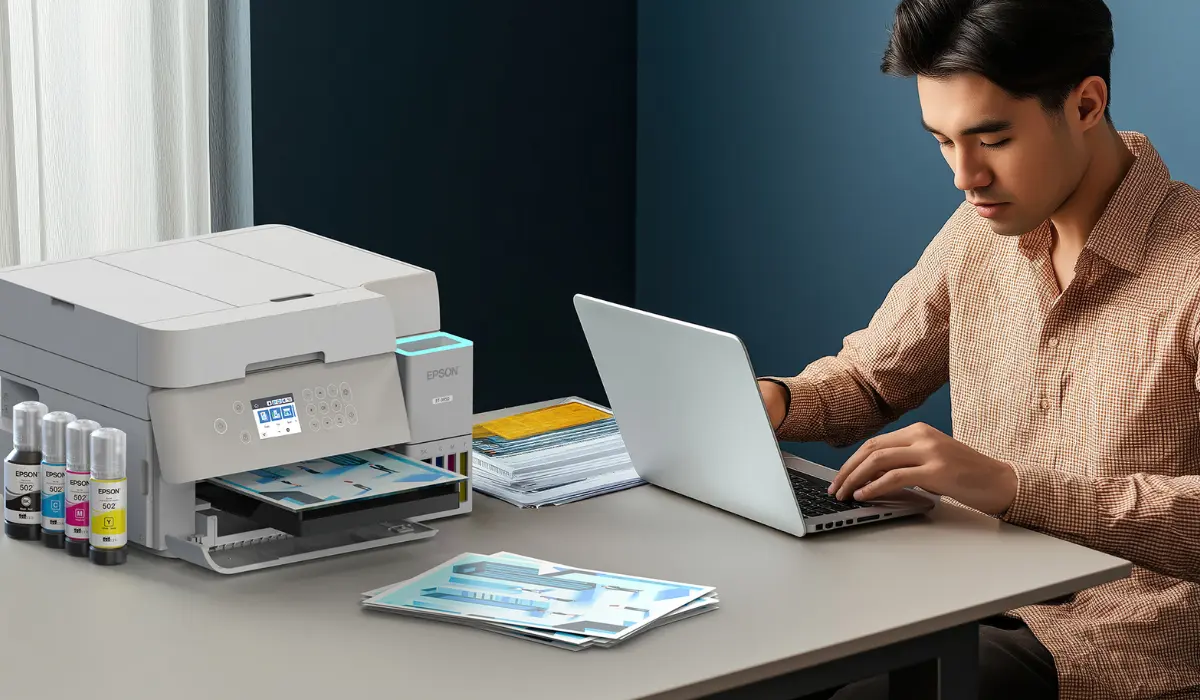
Proper installation provides several advantages:
• Stable communication between the laptop and the printer
• Access to full printer features and settings
• Improved printing speed and efficiency
• Reduced chances of driver or connectivity errors
Incorrect installation may cause problems like the printer not being detected, incomplete drivers, or poor printing performance. Following the correct installation steps helps prevent these issues.
Things to Prepare Before Installing Your Epson Printer
Before starting the installation process, it is important to prepare a few things. Having everything ready will make the setup easier and faster.
Check Printer and Laptop Requirements
Make sure the following items are ready:
• Epson printer powered on
• Laptop connected to the internet
• Printer drivers available for download
• USB cable if using a wired connection
• Stable Wi-Fi network if installing wirelessly
These basic preparations ensure that the installation process runs smoothly without interruptions.
Methods to Connect Epson Printer to a Laptop
There are multiple ways to connect an Epson printer to a laptop. The most common methods include USB connection and wireless installation.
USB Cable Installation Method
The USB installation method is the easiest and most direct way to connect a printer to a laptop.
Follow these steps:
- Turn on your Epson printer.
- Connect the USB cable from the printer to the laptop.
- Wait for the laptop to automatically detect the printer.
- The system will begin installing the necessary drivers.
- After installation is complete, print a test page.
This method provides a stable connection and is ideal for users who prefer a simple setup.
Wireless Installation Method
Wireless installation allows you to connect your printer without cables. This method is convenient for homes and offices where multiple devices need access to the printer.
Steps to install via Wi-Fi:
- Turn on your Epson printer.
- Open the printer control panel.
- Select Wi-Fi or wireless network setup.
- Choose your home or office network.
- Enter the Wi-Fi password.
- Install the Epson printer software on your laptop.
- Select the wireless printer when prompted.
Wireless installation allows users to print from different rooms without connecting cables to the laptop.
Downloading and Installing Epson Printer Drivers
Printer drivers are essential because they allow the laptop to communicate with the printer. Without drivers, the printer may not work correctly.
Steps to Install Epson Drivers
• Visit the official Epson support website
• Search for your Epson printer model
• Download the latest driver for your operating system
• Run the installation file
• Follow the instructions displayed on the screen
Once installed, your laptop will recognize the printer and enable printing functions.
How to Add the Epson Printer Manually?
Sometimes the printer may not appear automatically in your device list. In such cases, you can add the printer manually.
For Windows Users
- Open Settings.
- Select Devices.
- Click Printers and Scanners.
- Choose Add a Printer.
- Select the Epson printer from the list.
For macOS Users
- Open System Settings.
- Click Printers and Scanners.
- Select Add Printer.
- Choose your Epson printer from the available devices.
Adding the printer manually ensures your laptop can recognize and connect to the device.
Common Printer Installation Problems
Even though Epson printers are designed for easy setup, some users may experience minor issues during installation.
Printer Not Detected
Check the USB cable connection or confirm the printer and laptop are connected to the same Wi-Fi network.
Driver Installation Failure
Download the latest drivers from the Epson support website and reinstall them.
Printer Showing Offline
Restart both the printer and laptop and reconnect the printer.
Slow Printing Performance
Update the Epson printer driver and verify printer settings for optimal performance.
These simple troubleshooting steps can quickly solve most installation problems.
Tips to Maintain a Stable Printer Connection
After installation, maintaining the printer connection helps ensure consistent performance.
Helpful tips include:
• Keep printer drivers updated regularly
• Maintain a strong Wi-Fi signal for wireless printing
• Restart devices occasionally to refresh connections
• Use genuine ink cartridges for better performance
• Clean the printer periodically to maintain print quality
Following these practices helps extend the lifespan of your Epson printer and ensures smooth printing operations.
Conclusion
Setting up a printer on your laptop does not have to be complicated. By following the correct installation steps and ensuring that the proper drivers are installed, you can connect your printer quickly and begin printing without technical difficulties. Epson printers are designed to provide a smooth setup experience for both beginners and experienced users.
Understanding how to install Epson printer to laptop allows you to connect your device confidently and maintain a reliable printing system for everyday tasks. Once installed, your Epson printer can handle a variety of printing needs, from documents and reports to photos and creative projects, making it a valuable tool for both home and office environments.
Frequently Asked Questions
1. Can I install an Epson printer without a CD?
Yes. Most laptops no longer include CD drives. You can download the latest drivers directly from the Epson support website.
2. Why is my laptop not detecting my Epson printer?
This may happen due to outdated drivers, incorrect Wi-Fi settings, or loose USB connections. Restarting devices usually resolves the issue.
3. Is wireless printer installation better than USB installation?
Wireless installation allows multiple devices to access the printer easily, while USB installation offers a stable direct connection.
4. Do I need internet access to install an Epson printer?
Internet is mainly required for downloading drivers and updates. USB installation may work without the internet if drivers are already available.
5. How long does it take to install an Epson printer on a laptop?
In most cases, installation takes about 5–10 minutes, depending on driver downloads and the connection method used.