How to Choose a Large Format Printer for Textile Printing?
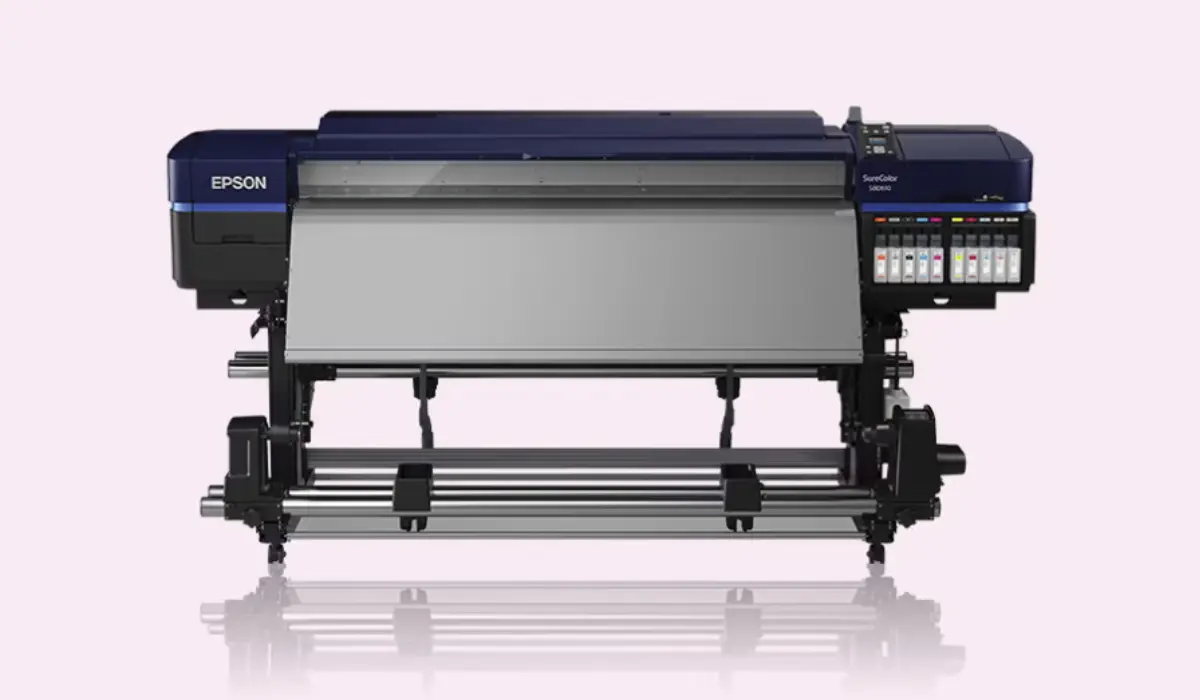
Choosing the right equipment is one of the most important decisions you will make as a business in the Textiles / Apparel Printing business. Many aspects of your operation will be driven by the printer you choose, including print quality, speed, compatibility with different types of fabric, and overall profitability. When investing in a large format printer for textile printing, you are not just buying a piece of equipment; You are investing in your business and forming a partnership with your printer as you grow creatively and commercially.
To find a printer for your growing business, you must first understand how to evaluate different technologies, ink types, and configurations. This blog provides you with practical information to help you evaluate your options, so that you can select the right printer for your current and future business needs.
Understand Your Textile Printing Needs
The first step in the process is to clearly define the object you want to make. The textile print industry has a lot of different uses, and your printing equipment may need to be able to do different things. You need to know what materials you’ll be printing on most of the time and what kinds of finished products you want to give to the end user. For example, printing on polyester for banners is very different from printing on cotton for clothing. It is also important to know if you need certain print widths and whether you make a lot of copies or just a few custom ones. When you find a printer that works well with your main applications, the end product will probably be of higher quality and make less waste.
Choose the Right Ink Technology
Ink type plays a major role in textile print quality, durability, and fabric feel. Selecting the correct ink technology ensures your prints look vibrant and last longer after washing or use. The most common textile ink options include the following.
• Dye-sublimation inks, ideal for polyester fabrics and widely used in sportswear and soft signage.
• Pigment inks, suitable for multiple fabric types with minimal post-processing requirements.
• Reactive inks, commonly used for cotton and other natural fibers, where color depth is important.
• Acid inks, preferred for silk and nylon fabrics that require smooth and rich color output.
Matching your printer to the right ink technology ensures better color performance and consistent production quality.
Evaluate Print Quality and Color Accuracy
To get the best results when printing textiles, you need to have crisp detail, smooth gradients, and accurate colors. When shopping for printers, don’t just check the printed resolution number; you should also pay attention to what technology is inside the printer (like the type of print head), how the inks are delivered to the print beds, and the software used to manage the colors in the final printed product. Fashion companies and other major companies that require consistency across multiple orders need to be able to reproduce colours accurately every time they print a product. You should always look at printed samples on the actual cloth being printed, because the characteristics of textiles are often different from those of normal paper. A good printer will continue to provide a high-quality product through longer runs of manufacturing.
Consider Speed and Production Efficiency
Your ability to deliver the merchandise in a timely manner affects the satisfaction of your customers. If your business handles high volumes of printing, the speed of your printer is a crucial factor to consider. However, the ability to produce quickly should be only one factor considered when determining the overall efficiency of the complete workflow of the printer. When researching different types of printers, look for models that minimize time loss during loading and drying operations, as well as those that allow for continuous operation without the need for frequent ink and supply changes. Finding the proper balance between speed and quality for your company’s needs is critical, as it allows you to have the most productive output possible without sacrificing the quality of the printed product.
Media Handling and Fabric Compatibility
One of the main problems textile printers face is having to handle the fabric properly. The ideal textile printer can manage the fabric tension efficiently to reduce or eliminate wrinkles, stretching, or misalignment of the fabric during printing. Key elements to consider when selecting a printer include roll-to-roll support, the ability to print on fabrics of varying thickness, and a dependable feed mechanism. By properly handling media, a textile printer will also minimize material waste and produce prints with greater consistency, particularly when printing long runs with a delicate or flexible fabric.
Maintenance and Operating Costs
One of the most important factors when purchasing a printer is the amount of money spent on the printer’s purchase price. However, buyers should not overlook the ongoing costs associated with printing, such as ink usage, printhead maintenance, electricity, and the cost of parts that may be needed during the printing process. A number of textile printers were designed for easy maintenance and are equipped with components that can be replaced by the user. Thus, these features reduce service fees and the time the machine is out of service. Efficient use of ink that does not compromise the quality of the print will play an important role in reducing the operating costs of a textile printer and maximizing its profit potential.
Software and Workflow Compatibility
Modern textile printing relies heavily on software for design, color management, and job control. Ensure the printer works well with professional RIP software and common design platforms. Good software compatibility improves color accuracy, simplifies file handling, and speeds up production workflows. This becomes especially valuable as your business grows and manages multiple clients and fabric types simultaneously.
Space, Installation, and Support Considerations
Textile printers have been developed and manufactured with larger production capabilities. The installation location has to be sufficiently large to accommodate all of the printer’s components and accessories, as well as additional room for ventilation (if needed), power sources, and drying spaces for the finished product. A heat fixation unit or a curing station may also need to be added. Furthermore, after-sales support is essential; it is very beneficial for you to choose suppliers who provide a local service, training, and original parts and supplies in order to reduce downtime and protect your investment. Also, the ability of the printer to expand in size and quantity, along with your business, creates long-term value for you.